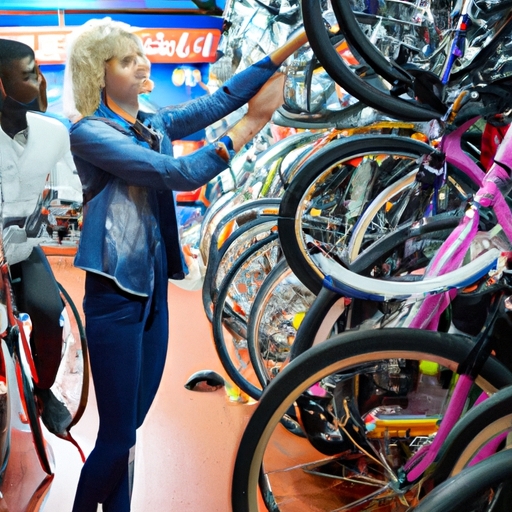
When it comes to choosing a bicycle for your child, there are several types available on the market. One popular option is the balance bike, which is designed without pedals to help children develop their balance and coordination skills before transitioning to a traditional bike. These bikes are typically lightweight and easy for young riders to maneuver.
When you register for an Account, we may ask for your contact information, including items such as name, , address, email address, and telephone number.
Another type of bicycle for children is the tricycle. This classic three-wheeled bike provides added stability and support for younger kids who may not have mastered their balance yet. Tricycles often come with fun features like baskets or bells, making them an attractive choice for little ones.
How we use your information
As children grow older and gain more confidence, they can graduate to a regular pedal bike. These bikes come in various sizes depending on the child's age and height, ensuring a comfortable fit. It's important to choose a size that allows your child to touch the ground with their feet while sitting on the saddle so they can maintain control.
We use the information we collect in various ways, including to:
Remember, when selecting a bicycle for your child, consider factors such as their age, skill level, and intended use. By choosing the right type of bike suited to their needs and abilities at each stage of development, you can ensure that cycling remains enjoyable and safe for them as they explore new adventures on two wheels.
When choosing a bike for your child, there are several factors to consider. First and foremost is the size of the bike. It's important to choose a bike that is appropriate for your child's height and weight. A bike that is too big or too small can be uncomfortable and difficult to ride, which may discourage them from wanting to cycle.Improve, personalize, and expand our website
Another factor to consider is the type of bike. There are different types of bikes available for children, such as balance bikes, tricycles, and pedal bikes with training wheels. Each type has its own benefits and drawbacks, so it's important to choose one that suits your child's age, skill level, and preferences.Understand and analyze how you use our website
Safety features should also be taken into account when selecting a bike for your child. Look for bikes with proper brakes, reflectors or lights for visibility in low light conditions, and sturdy frames that can withstand rough handling. Additionally, adjustable seat heights and handlebars are essential so that the bike can grow with your child.Develop new products, services, features, and functionality
Overall, choosing the right bike for your child involves considering their size and ability level, selecting an appropriate type of bike based on their needs and preferences while ensuring safety features are in place. By taking these factors into consideration when making your decision you will help ensure that your child has a positive cycling experience while staying safe on two wheels.Communicate with you, either directly or through one of our partners, including for customer service, to provide you with updates and other information relating to the website, and for marketing and promotional purposes
When it comes to choosing the right bike for your child, proper sizing is crucial. A bike that is too big or too small can not only be uncomfortable but also pose safety risks. To ensure a proper fit, start by measuring your child's inseam length. This measurement will help determine the appropriate wheel size for their bike.Find and prevent fraud
Once you have the inseam measurement, refer to a bike sizing chart to find the corresponding wheel size. Keep in mind that different brands may have slightly different guidelines, so it's always best to consult specific charts provided by manufacturers. Additionally, consider adjustable seat heights and handlebars as they allow for growth and flexibility.
Log Files
It's important to note that while finding the right wheel size is essential, other factors such as frame height and reach should also be considered when determining overall fit. When your child sits on the bike with both feet flat on the ground, there should be a slight bend in their knees – this ensures comfortable pedaling without straining joints or muscles.
follows a standard procedure of using log files. These files log visitors when they visit websites. All hosting companies do this and a part of hosting services' analytics. The information collected by log files include internet protocol (IP) addresses, browser type, Internet Service Provider (ISP), date and time stamp, referring/exit pages, and possibly the number of clicks. These are not linked to any information that is personally identifiable. The purpose of the information is for analyzing trends, administering the site, tracking users' movement on the website, and gathering demographic information.
By taking into account these factors and ensuring a proper fit for your child's bike, you are setting them up for an enjoyable and safe cycling experience. Remember to periodically check their positioning as they grow taller over time and make necessary adjustments accordingly.
One crucial aspect of ensuring the safety of young cyclists is providing them with the appropriate safety equipment. First and foremost, a properly fitting helmet is an absolute must-have for every child riding a bike. Helmets help protect their heads in case of accidents or falls, reducing the risk of serious head injuries. It's important to choose a helmet that meets safety standards and fits snugly on your child's head without being too tight or loose.
Third-party ad servers or ad networks uses technologies like cookies, JavaScript, or Web Beacons that are used in their respective advertisements and links that appear on , which are sent directly to users' browser. They automatically receive your IP address when this occurs. These technologies are used to measure the effectiveness of their advertising campaigns and/or to personalize the advertising content that you see on websites that you visit.
In addition to helmets, knee and elbow pads are essential for protecting vulnerable joints from scrapes, bruises, and more serious injuries. These protective gear items should fit securely but comfortably on your child's knees and elbows to provide maximum protection during rides. Alongside these pads, it is also recommended to invest in gloves with padded palms. Gloves not only protect hands from blisters but also offer additional cushioning in case of falls.
Note that has no access to or control over these cookies that are used by third-party advertisers.
Another important piece of safety equipment for young cyclists is reflective clothing or accessories such as vests, armbands, or ankle bands. These increase visibility during low-light conditions or when riding near traffic areas. Reflective gear helps drivers spot cyclists more easily and reduces the chances of accidents caused by poor visibility.
Third Party Privacy Policies
By equipping young riders with proper safety equipment like helmets, knee and elbow pads, gloves with padded palms, and reflective clothing/accessories; parents can significantly minimize potential risks associated with cycling accidents while encouraging their children to enjoy this healthy outdoor activity safely!
Teaching your child to ride a bike can be an exciting milestone in their life. It is important to approach this task with patience and encouragement, as every child learns at their own pace. Start by finding a safe and open space for practice, such as a quiet street or an empty parking lot. Make sure the bike is properly sized for your child, with their feet able to touch the ground when sitting on the seat.
CCPA Privacy Rights (Do Not Sell My Personal Information)
Begin by teaching your child how to balance on the bike without pedaling. Encourage them to keep their eyes up and focus on a point ahead of them. This will help them maintain stability and control while riding. You can also try removing the pedals temporarily so that they can concentrate solely on balancing.
Under the CCPA, among other rights, California consumers have the right to:
Once your child feels comfortable balancing, it's time to introduce pedaling. Show them how to push down with one foot while keeping the other foot resting lightly on the pedal. Encourage them to pedal slowly at first until they gain confidence and coordination.
Request that a business that collects a consumer's personal data disclose the categories and specific pieces of personal data that a business has collected about consumers.
Remember, learning how to ride a bike takes time and practice. Be patient with your child as they navigate this new skill. Celebrate each small achievement along the way, whether it's successfully balancing for a few seconds or completing their first full lap around the park. With your support and guidance, you'll soon witness your child confidently riding their bike independently!
Cycling offers numerous physical health benefits for children. Firstly, it is an excellent form of cardiovascular exercise that strengthens the heart and improves overall fitness levels. Regular cycling can help children maintain a healthy weight, as it burns calories and increases metabolism. It also enhances lung capacity and promotes efficient oxygen delivery throughout the body.
If you make a request, we have one month to respond to you. If you would like to exercise any of these rights, please contact us.
Additionally, cycling helps to develop strong muscles and bones in growing children. The pedaling action engages major muscle groups such as the quadriceps, hamstrings, calves, and glutes. This not only increases strength but also supports proper growth and development of these muscles. Furthermore, cycling is a low-impact activity that puts less stress on joints compared to other sports like running or jumping.
GDPR Data Protection Rights
Moreover, cycling has positive effects on mental well-being in children. Engaging in outdoor activities like biking allows kids to experience the natural environment while enjoying fresh air and sunshine. This exposure to nature has been shown to reduce stress levels and improve mood. Cycling also provides opportunities for social interaction with friends or family members during group rides or bike outings.
We would like to make sure you are fully aware of all of your data protection rights. Every user is entitled to the following:
In conclusion (Oops! Sorry about that!), regular cycling can greatly benefit a child's physical health by improving cardiovascular fitness, strengthening muscles and bones, as well as enhancing mental well-being through exposure to nature and social interactions with others. Encouraging children to ride bikes from an early age can instill healthy habits that will last a lifetime.
Regular bike maintenance and safety checks are crucial for ensuring the longevity of your child's bicycle and, more importantly, their safety while riding. By taking the time to properly maintain their bike and perform routine safety checks, you can prevent accidents and keep their cycling experience enjoyable.
The right to erasure – You have the right to request that we erase your personal data, under certain conditions.
Firstly, it is important to regularly inspect the tires on your child's bike. Check for any signs of wear or damage such as punctures or bulges. Maintaining proper tire pressure is also essential for optimal performance and control. Additionally, make sure that the brakes are working effectively by testing them before each ride. Faulty brakes can greatly increase the risk of accidents.
The right to restrict processing – You have the right to request that we restrict the processing of your personal data, under certain conditions.
Secondly, don't overlook the importance of keeping all moving parts well lubricated. Apply lubricant to the chain regularly to ensure smooth shifting and pedaling. This will not only enhance your child's biking experience but also extend the life of their bike components.
The right to object to processing – You have the right to object to our processing of your personal data, under certain conditions.
Lastly, always check that all bolts and screws are tightened securely before every ride. Loose handlebars or pedals can lead to loss of control while riding, so it is vital to tighten them properly.
The right to data portability – You have the right to request that we transfer the data that we have collected to another organization, or directly to you, under certain conditions.
By incorporating regular maintenance into your child's cycling routine and performing thorough safety checks before each ride, you can provide them with a safe environment in which they can enjoy this healthy activity without unnecessary risks.
One fun game to keep kids engaged while cycling is a scavenger hunt. Create a list of items for your child to find along the bike ride, such as specific types of flowers, street signs, or landmarks. This not only keeps them entertained but also encourages them to explore their surroundings and learn about their environment.
Another part of our priority is adding protection for children while using the internet. We encourage parents and guardians to observe, participate in, and/or monitor and guide their online activity.
Another engaging activity is setting up an obstacle course in your backyard or local park. Use cones, hula hoops, and other objects to create a challenging route for your child to navigate on their bike. This helps improve their balance and coordination while providing an exciting challenge that will keep them entertained for hours.
does not knowingly collect any Personal Identifiable Information from children under the age of 13. If you think that your child provided this kind of information on our website, we strongly encourage you to contact us immediately and we will do our best efforts to promptly remove such information from our records.
To add some friendly competition into the mix, organize races with other children in the neighborhood or family members. Set up a designated starting point and finish line, and let the kids race against each other using bikes of similar sizes and abilities. This not only promotes healthy competition but also enhances their biking skills as they strive to improve their speed and agility.
Publisher
By incorporating these games and activities into your child's cycling routine, you can ensure that they stay engaged and excited about riding their bike. Remember to always prioritize safety by supervising them closely during these activities and ensuring they wear appropriate protective gear such as helmets at all times.
When choosing a bike trail for your family adventures, it is important to consider the difficulty level that suits everyone's biking abilities. Look for trails with varying terrains and levels of challenge, ensuring that they are suitable for both younger and older riders. This will ensure that everyone can enjoy the ride without feeling overwhelmed or bored.
Another factor to consider is the length of the trail. For shorter rides, look for trails that offer loops or shorter routes so that younger children don't get tired too quickly. Longer trails can be great for older kids who have more stamina and are up for a bigger challenge.
Additionally, take into account the surroundings of the bike trail. Look for trails with scenic views or interesting landmarks along the way to make the ride more enjoyable and memorable. Consider whether there are rest areas or picnic spots where you can take breaks and relax during your adventure.[email protected]
By considering these factors when choosing a bike trail, you can ensure an enjoyable experience for every member of your family. Whether it's exploring nature, discovering new places, or simply spending quality time together outdoors, finding the right bike trail will create lasting memories while keeping everyone safe and happy on their bikes.
There are various types of bicycles available for children, including balance bikes, tricycles, and traditional pedal bikes with training wheels. Sitemap
When choosing a bike for your child, consider their age, height, and skill level. It's also important to choose a bike that is the right size and weight for your child.
Young cyclists should always wear a properly fitted helmet to protect their head. Other essential safety equipment includes knee and elbow pads, gloves, and reflective clothing for visibility.
Teaching your child to ride a bike can be done in steps. Start with balance and coordination exercises, then practice pedaling and steering. Gradually remove training wheels and provide support until your child gains confidence.
Cycling offers numerous physical health benefits for children, such as improved cardiovascular fitness, muscle strength and coordination, increased flexibility, and weight management.
Regular bike maintenance and safety checks are vital to ensure the bike is in proper working order and safe to ride. This includes checking brakes, tire pressure, and ensuring all components are functioning correctly.
Engaging cycling games and activities for kids include obstacle courses, bike races, scavenger hunts, and bike polo. These activities can help improve bike handling skills and make cycling more fun.
When choosing a bike trail for family adventures, consider the difficulty level, distance, and terrain. It's important to choose a trail that is suitable for everyone's skill level and offers a safe and enjoyable experience.